
Live Better with
NutriVida
Discover nutritional plans, exercise routines, healthy recipes and wellness tips designed to transform your life from the inside out.
The information provided on this website is for educational and informational purposes only. It does not constitute medical advice, diagnosis, or treatment. Before making any significant changes to your diet, supplementation, or lifestyle, always consult a qualified healthcare professional such as a physician or registered dietitian.
Diets & Nutritional Plans
Explore 8 complete diet plans with scientific information, weekly plans and detailed guides.
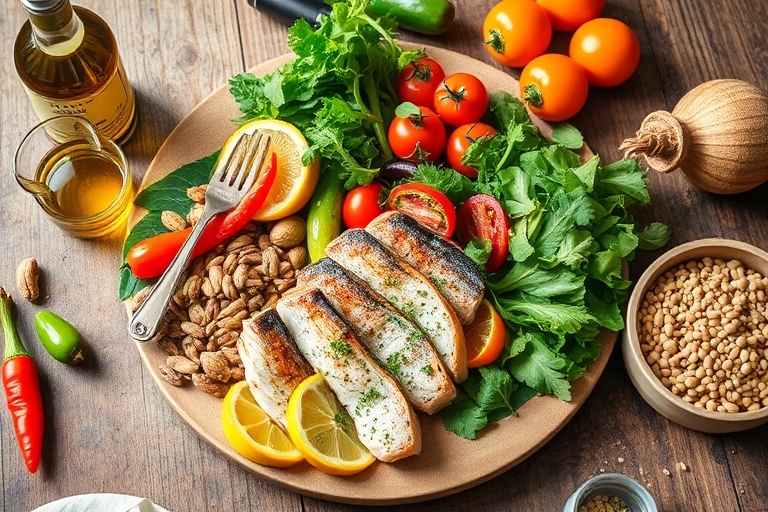
Mediterranean Diet
Rich in olive oil, fish, vegetables and whole grains. Globally recognized for its cardiovascular benefits and longevity.
Ketogenic Diet
High in healthy fats and very low in carbohydrates. Puts the body into ketosis to burn fat as the main fuel.
Vegan Diet
Based exclusively on plants. Eliminates all animal products and reduces the risk of chronic diseases.
Intermittent Fasting
Alternates periods of fasting and eating to optimize metabolism, cellular autophagy and fat burning.
DASH Diet
Designed to reduce high blood pressure. Prioritizes fruits, vegetables, whole grains and low-fat dairy.
Anti-Inflammatory Diet
Fights chronic inflammation with foods rich in antioxidants, omega-3 and natural phytochemicals.
High-Protein Diet
Maximizes protein intake to increase muscle mass, accelerate metabolism and maintain satiety.
Low-FODMAP Diet
Designed to relieve irritable bowel syndrome (IBS). Eliminates fermentable carbohydrates that cause gas, bloating and pain.
Flexitarian Diet
Mostly vegetarian but flexible with occasional meat consumption. The perfect balance between health and practicality.
Paleo Diet
Inspired by Paleolithic eating: meats, fish, fruits, vegetables, nuts and seeds. No grains, dairy or processed foods.
Dissociated Diet
Separates macronutrients at each meal: never proteins with carbohydrates. Improves digestion and promotes gradual weight loss.
Low-Fiber Diet
Reduces intestinal transit and relieves the bowel during periods of inflammation, surgery or active intestinal disease. Easy to digest and very well tolerated.
Gluten-Free Diet
Completely eliminates gluten (wheat, barley, rye). Essential for celiacs and beneficial for people with non-celiac gluten sensitivity.
Low-Sodium Diet
Strict reduction of sodium to less than 2,000 mg/day to control hypertension, protect kidneys and heart, and reduce fluid retention.
Hypocaloric Diet
Reduces caloric intake by 500-1000 kcal/day relative to individual needs, achieving gradual, healthy and sustained weight loss of 0.5-1 kg per week.
Low-Carbohydrate Diet
Reduces carbohydrates to 50-150g/day without reaching ketosis. Improves glycemic control, reduces triglycerides and promotes fat loss without the rigidity of the ketogenic diet.
Diabetic Diet
Specific dietary plan for glycemic control in type 1 and type 2 diabetes. Low glycemic index, meal distribution and carbohydrate management to avoid blood sugar spikes.
Healthy Omnivore Diet
The most natural human dietary pattern: eat everything in the right proportions. Animal proteins, vegetables, whole grains, fruits and vegetables in scientific balance.
Not sure which diet to choose?
Our personalized quiz analyzes your metabolism, goals and preferences to recommend the ideal plan.
Quiz: Your Ideal Diet
Answer 8 questions and our algorithm will recommend the most suitable nutritional plan for you.
Ready to discover your perfect diet?
Just 8 quick questions. We analyze your goals, restrictions, lifestyle and preferences to recommend the plan that best suits you from 9 studied diets.
2-3 minutes
100% personalized
Science-based
BMI Calculator
Calculate your Body Mass Index in seconds. Find out if your weight is healthy for your height and get personalized recommendations.
BMI Table
Important tips
- BMI is a general guide and does not account for muscle mass
- Always consult a professional for a complete evaluation
- Healthy weight varies by age, sex and body composition
Want to go further?
Calculate your personalized daily calories and create a tailored meal plan.
Calculate caloriesCalorie & Protein Calculator
Calculate exactly how many calories and proteins you need based on your body, activity level and goals.
Complete the form
Fill in your data and click calculate to get your personalized nutritional plan.
Meal Schedules & Routines
Eating at the right times is just as important as what you eat. Here we show you the perfect daily routine.
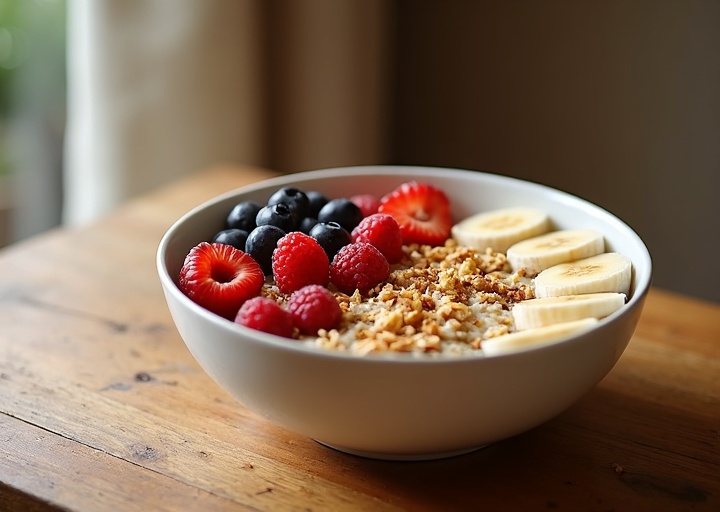
Ideas for your Breakfast
- Oatmeal with berries
- Greek yogurt with honey
- Scrambled eggs + whole grain toast
Breakfast activates your metabolism and gives you energy to start the day.
Hydration
Drink at least 2 liters of water a day
Intervals
Keep 3-4 hours between main meals
No Distractions
Eat slowly and without screens
Listen to your body
Eat when you're truly hungry
Exercises & Routines
36 exercises with complete instructions, muscles worked and integrated YouTube tutorials.
Showing 8 of 36 exercises

Barbell Squat
The king of exercises. Works quadriceps, glutes, hamstrings and core in a single movement.
Bench Press
Main exercise for pectorals, triceps and front deltoids. Key for upper body strength.
Conventional Deadlift
The exercise with the greatest total muscle recruitment. Strengthens the entire posterior chain and core.
Pull-Up
The best pulling exercise for back and biceps. Develops a V-shaped back and relative strength.
Military Press (Overhead Press)
Builds massive shoulders and triceps. Improves core stability and upright posture.
Barbell Hip Thrust
The best exercise to activate and develop glutes. Improves posture and reduces lower back pain.
Dumbbell Row
Builds dense and wide back. Corrects muscle imbalances and improves anti-sedentary posture.
Push-Ups with Variations
Fundamental calisthenics exercise. Strengthens chest, shoulders, triceps and core without equipment.
Weekly moderate cardio (WHO)
Minimum strength training
Daily steps for clear benefit
Health & Wellness Tips
Health is a holistic lifestyle. These evidence-based tips will help you transform your wellbeing in an integral and sustainable way.

Conscious Hydration
Water is essential for all metabolic processes. Start every morning with a glass of warm water with lemon to activate your digestive system.
- Drink 8 glasses a day
- Add sugar-free infusions
- Limit coffee to 2 cups
Sleep Quality
Sleeping 7-9 hours regulates hunger hormones, reduces inflammation and improves post-workout muscle recovery.
- Sleep 7-9 hours
- Consistent sleep routine
- No screens 1h before bed
Stress Management
Chronic stress raises cortisol, causing abdominal fat accumulation. Breathing techniques and meditation are just as important as diet.
- Meditate 10 min/day
- Practice 4-7-8 breathing
- Time in nature
Solar Vitamin D
15-20 minutes of daily sun exposure improves mood, calcium absorption and the immune system.
- Sun 15-20 min/day
- Between 10am and 2pm
- Always protect your skin
Gut Microbiome
The gut is your second brain. A healthy microbiome improves mood, digestion and immunity. Include prebiotics and probiotics daily.
- Eat 30 plants/week
- Probiotic yogurt & kefir
- Fiber: 25-30g per day
Cardiovascular Health
Your heart needs aerobic exercise, omega-3, antioxidants and stress control. Take care of your heart today.
- Cardio 30 min/day
- Omega-3 at every meal
- Monitor blood pressure
Wellness is a Journey, not a Destination
Don't seek perfection. Every small healthy habit you incorporate adds up enormously over the long term. Be consistent, be kind to yourself and celebrate every step forward.
Healthy Recipes
Over 100 recipes with exact ingredients and gram measurements for every time of day.
Showing 12 of 100 recipes
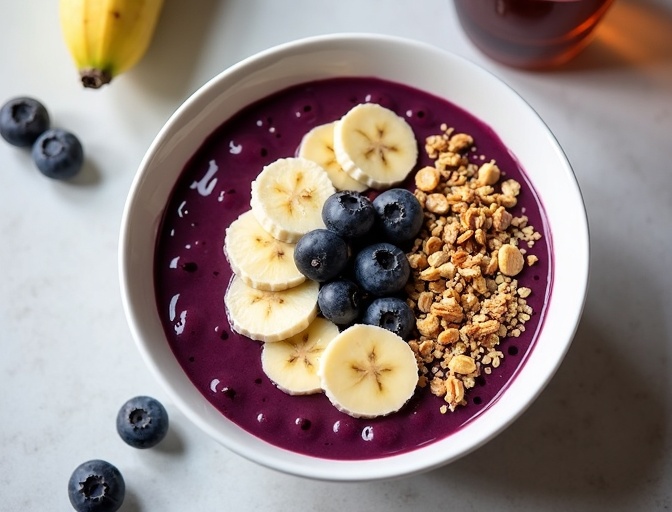
Açaí Bowl with Granola
Energizing açaí bowl with crunchy granola and fresh forest berries.
Avocado Toast with Poached Egg
Gourmet toast with creamy avocado and a perfectly poached egg.
Oatmeal Porridge with Berries
Creamy porridge with whole oats and an explosion of fresh berries.
Energizing Green Smoothie
Nutrient-packed green smoothie to start the day with energy.
Banana Oat Pancakes
Fluffy and naturally sweet pancakes without added sugar.
Vegetable Spanish Omelette
Creamy omelette full of colorful vegetables perfect for any time.
Yogurt Parfait with Homemade Granola
Creamy layers of Greek yogurt, crunchy granola and fresh fruit.
Coconut Mango Chia Pudding
Chia pudding with coconut creaminess and tropical mango sweetness.
Strawberry Vanilla Overnight Oats
Oats prepared the night before with yogurt and strawberries for a quick breakfast.
Oat Blueberry Muffins
Moist muffins naturally sweetened with banana and packed with blueberries.
Spirulina Smoothie Bowl
Intense green bowl with spirulina rich in plant protein and antioxidants.
Nordic Toast with Smoked Salmon
Nordic toast with smoked salmon, cream cheese and fresh dill.
Exact amounts
Every ingredient with its precise quantity.
Quick to prepare
Most ready in less than 30 minutes.
Natural ingredients
No processed foods or additives. Only real, nutritious food.
Complete Nutritional Table
Nutritional information for all age groups and special needs
Nutritional information for all age groups and special needs
Adults — 19 – 50 years
Maintenance stage. Prevention of chronic diseases. High work and social activity.
Important notes
- Protein: minimum 0.8 g/kg of body weight.
- Women of childbearing age: iron 18 mg/day to compensate for losses.
- Pregnant women: folate 600 µg/day, iron 27 mg/day.
- Moderate sodium to prevent hypertension.
- Omega-3 is key for cardiovascular health.
Daily requirements
Foods and their composition per 100 g
% DV calculated for Adults 19 – 50 years. Click any row to see the full micronutrient breakdown.
Showing 15 of 103 foods · % DV calculated for Adults 19 – 50 years
| Food | Cal. | Prot. | Carbs | Fats | Fiber | Calcium | Iron | Vit. C | Vit. D | % DV (prot.) | |
|---|---|---|---|---|---|---|---|---|---|---|---|
Extra virgin olive oil Oils & Fats | 884 | 0g | 0g | 100g | 0g | 1mg | 0.6mg | 0mg | 0µg | 0% VD | |
Coconut oil Oils & Fats | 862 | 0g | 0g | 100g | 0g | 0mg | 0mg | 0mg | 0µg | 0% VD | |
Butter Oils & Fats | 717 | 0.9g | 0.1g | 81g | 0g | 24mg | 0mg | 0mg | 1.5µg | 2% VD | |
Walnuts Nuts & Seeds | 654 | 15g | 14g | 65g | 6.7g | 98mg | 2.9mg | 1.3mg | 0µg | 27% VD | |
Hazelnuts Nuts & Seeds | 628 | 15g | 17g | 61g | 9.7g | 114mg | 4.7mg | 6.3mg | 0µg | 27% VD | |
Sunflower seeds Nuts & Seeds | 584 | 21g | 20g | 51g | 8.6g | 78mg | 5.3mg | 1.4mg | 0µg | 38% VD | |
Raw almonds Nuts & Seeds | 579 | 21g | 22g | 50g | 12.5g | 264mg | 3.7mg | 0mg | 0µg | 38% VD | |
Peanuts Nuts & Seeds | 567 | 26g | 16g | 49g | 8.5g | 92mg | 4.6mg | 0mg | 0µg | 46% VD | |
Pistachios Nuts & Seeds | 562 | 20g | 28g | 45g | 10.3g | 105mg | 3.9mg | 5.6mg | 0µg | 36% VD | |
Flaxseeds Nuts & Seeds | 534 | 18g | 29g | 42g | 27.3g | 255mg | 5.7mg | 0.6mg | 0µg | 32% VD | |
Chia seeds Nuts & Seeds | 486 | 17g | 42g | 31g | 34.4g | 631mg | 7.7mg | 1.6mg | 0µg | 30% VD | |
Aged manchego cheese Dairy | 467 | 31g | 0.5g | 39g | 0g | 756mg | 0.5mg | 0mg | 0.4µg | 55% VD | |
Oats (raw) Cereals & Grains | 389 | 17g | 66g | 7g | 10.6g | 54mg | 4.7mg | 0mg | 0µg | 30% VD | |
Whey protein Dairy | 382 | 78g | 8g | 6g | 0g | 600mg | 0.6mg | 0mg | 1.5µg | 139% VD | |
Egg yolk Eggs | 322 | 16g | 3.6g | 27g | 0g | 129mg | 2.7mg | 0mg | 5.4µg | 29% VD |
Nutritional values are indicative and based on recommendations from WHO, EFSA and IOM. Always consult a registered dietitian for a personalized assessment.
Frequently Asked Questions about Nutrition
Clear, evidence-based answers to the most common questions about food, diet and health.
10
Questions answered
100%
Scientific evidence
50k+
Informed users
Do you have more questions about your nutrition?
Use our personalized calculator to get your exact calorie, protein and macronutrient needs based on your body and goals.
Go to Calculator